When Craft Became a Global Language in BRICS-2026
BRICS Bazaar at Crafts Museum, New Delhi
Editor-in-Chief Monika Angrish
A celebration of heritage, craftsmanship and cultural connections at the National Crafts Museum.
Craft has a remarkable ability to communicate without words. A woven textile, a hand-painted miniature, a piece of beadwork or a carefully shaped terracotta object can carry within it the history, beliefs, environment and imagination of an entire community. This idea came alive during BRICS Bazaar 2026, held at the National Crafts Museum in New Delhi from 10 to 15 September 2026 as part of India’s BRICS Chairship.
Organised by the Ministry of Textiles and the Ministry of External Affairs, and curated by the National Institute of Fashion Technology (NIFT), Gandhinagar, the Bazaar was conceived around the theme “Crafting Cultures, Connecting People.” It brought together traditional crafts, contemporary creative expressions, artisans and audiences from across the BRICS community and partner countries.
Craft as a Language of Connection
The most striking aspect of the BRICS Craft showcase was that it presented craft not merely as an object to be viewed or purchased, but as a living form of cultural knowledge.
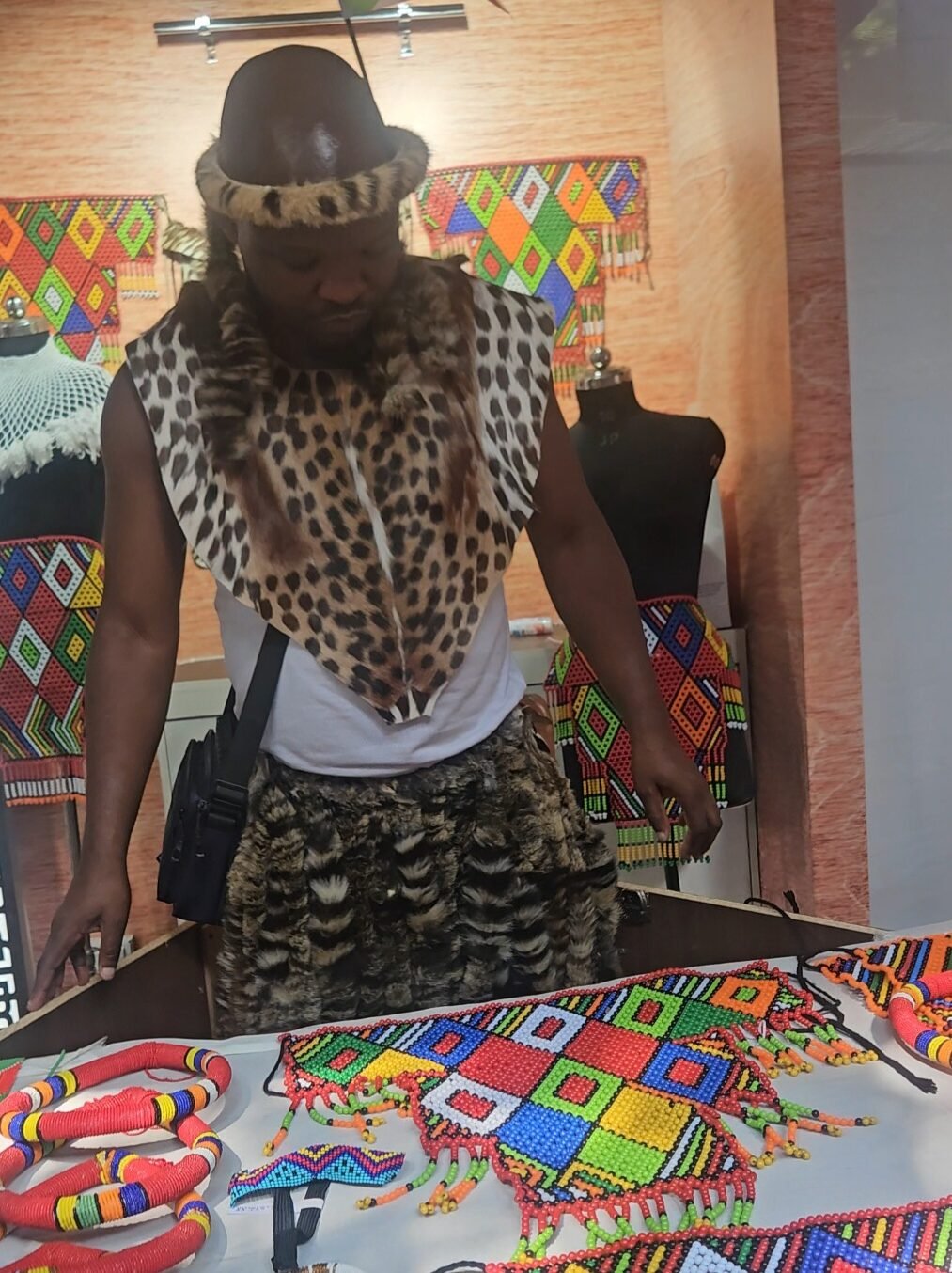
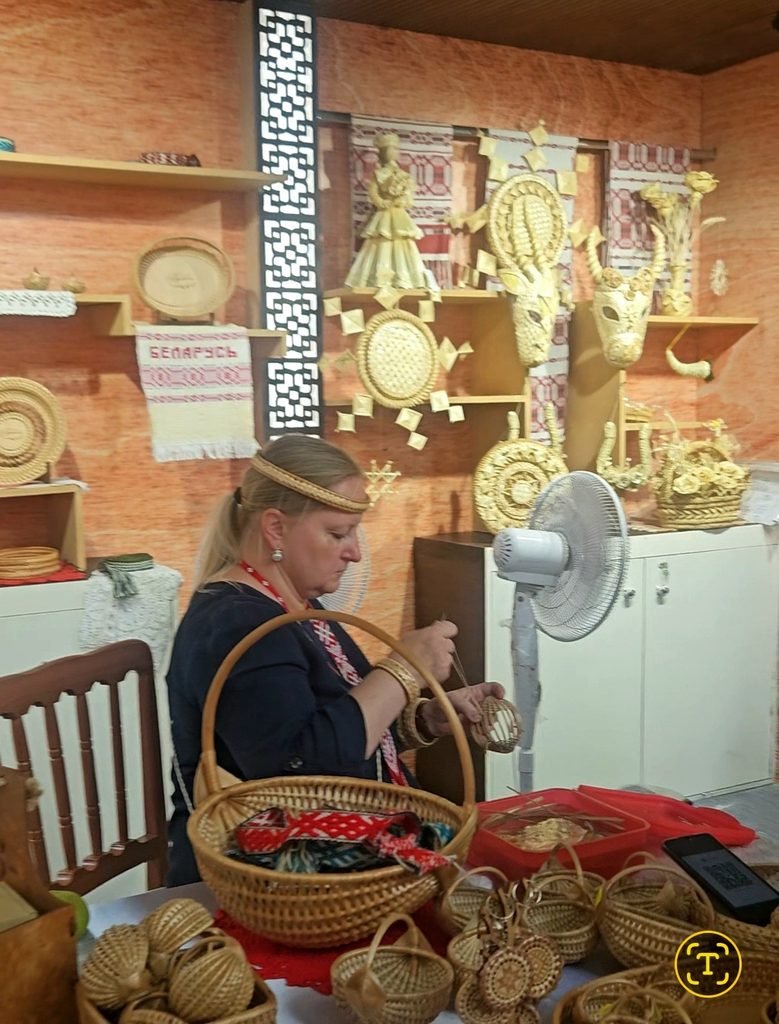
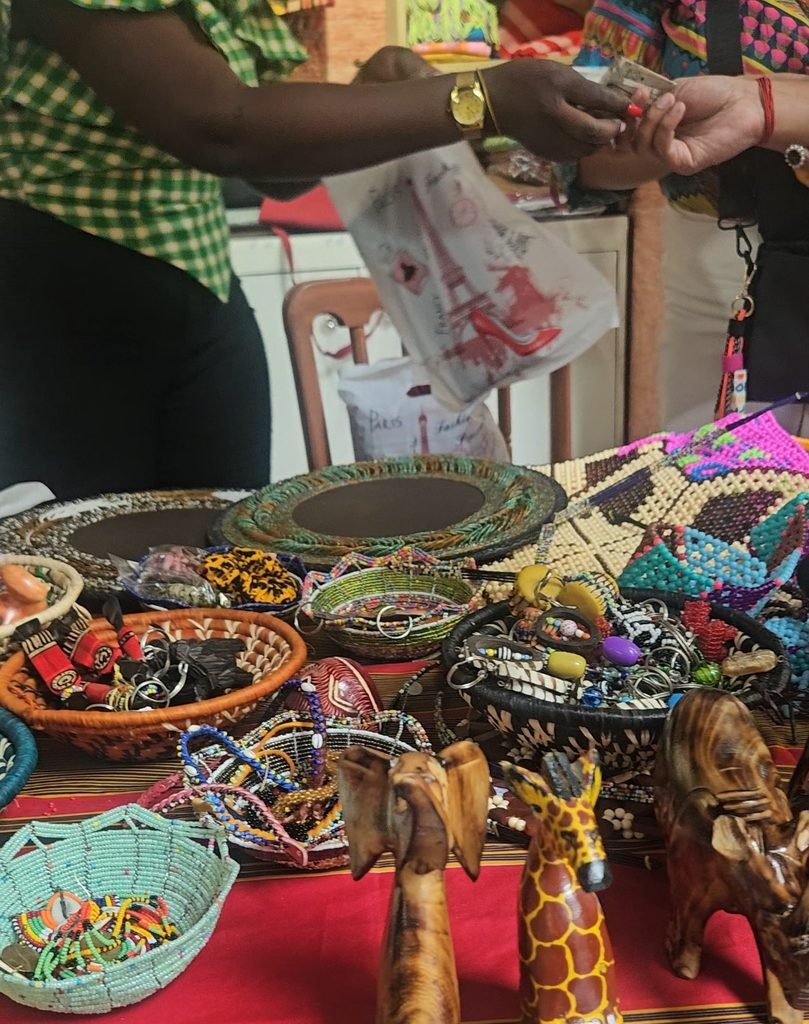
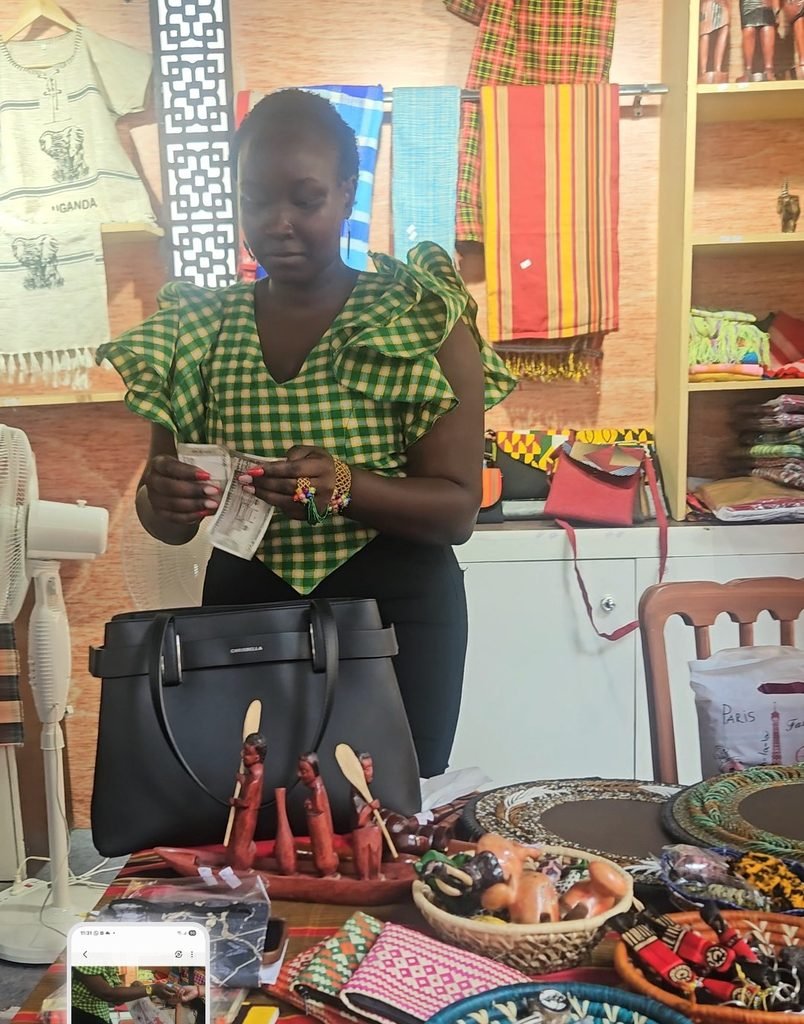
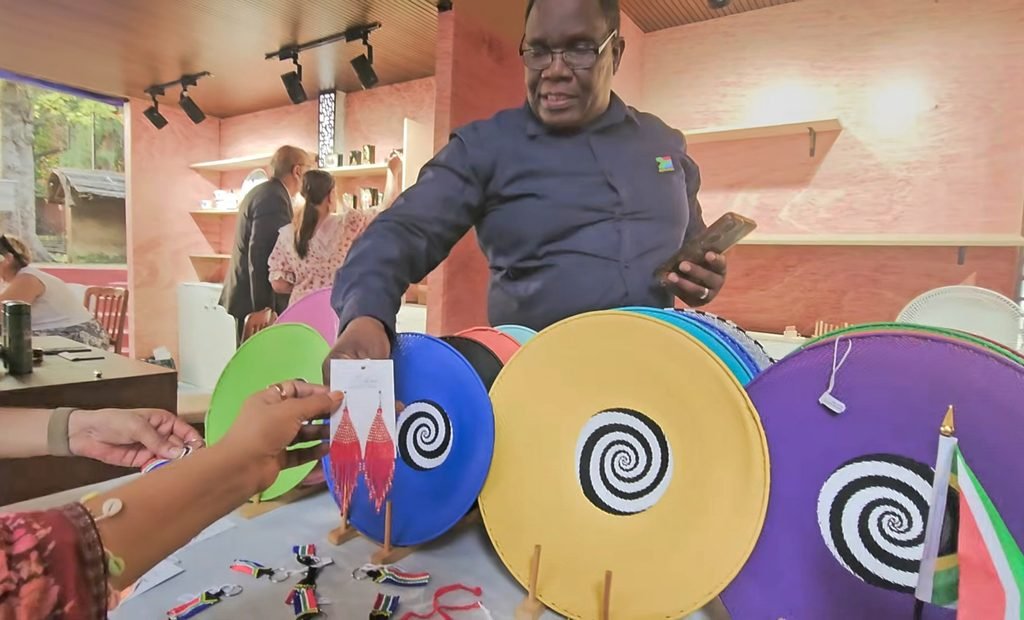
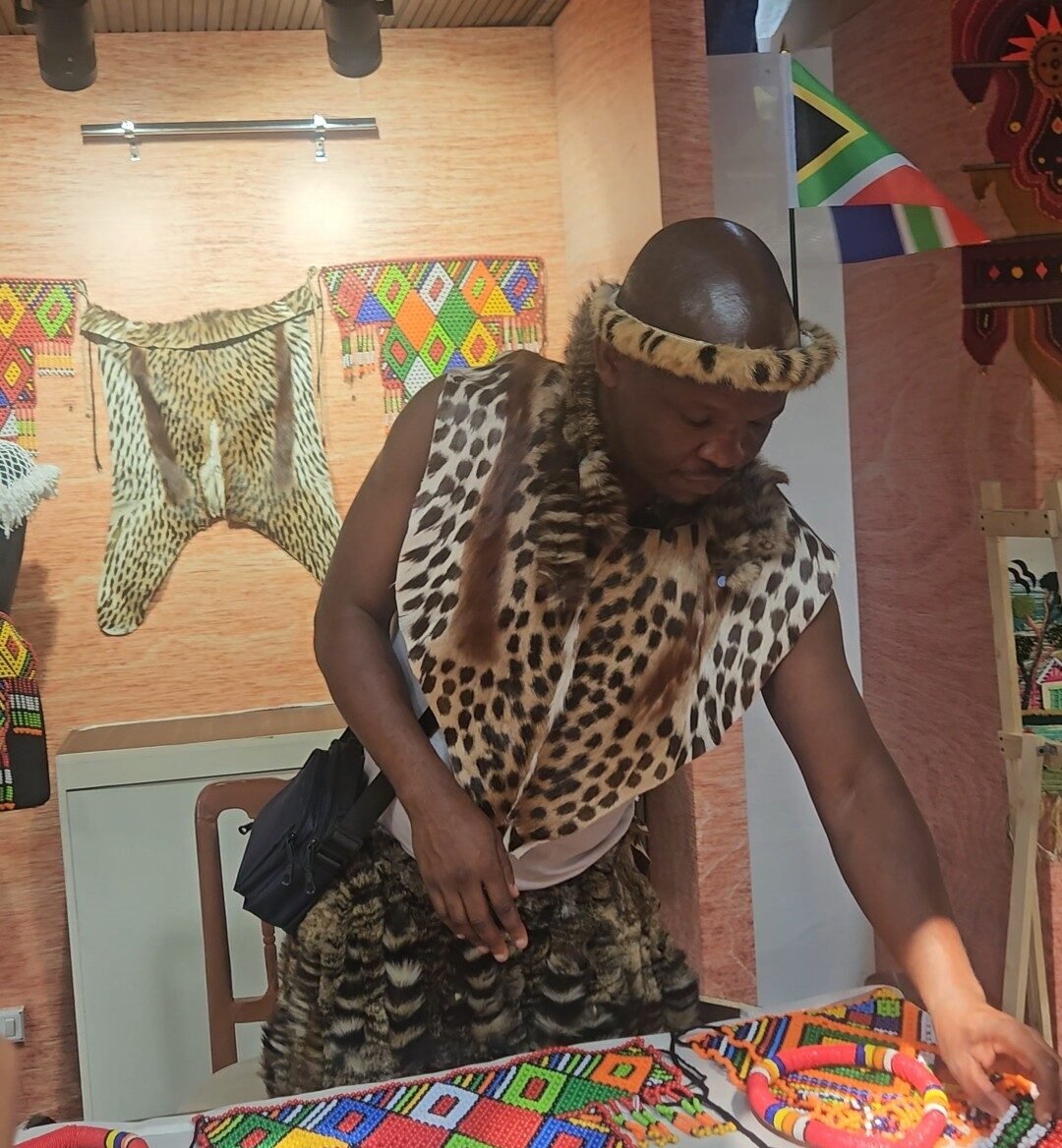
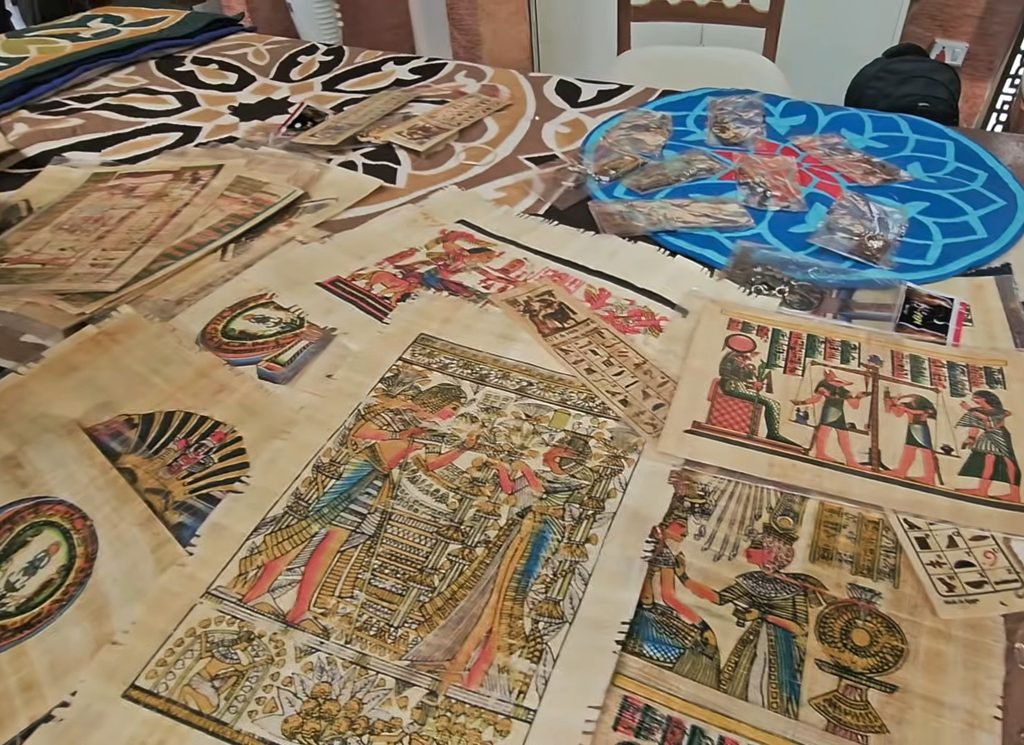
The Bazaar featured 44 celebrated artisans from 18 countries, including Belarus, Bolivia, Brazil, China, Cuba, Egypt, Ethiopia, India, Indonesia, Iran, Kazakhstan, Malaysia, Nigeria, Russia, South Africa, Uganda, Uzbekistan and Vietnam. Their presence transformed the exhibition into a meeting place of techniques, materials, stories and traditions.
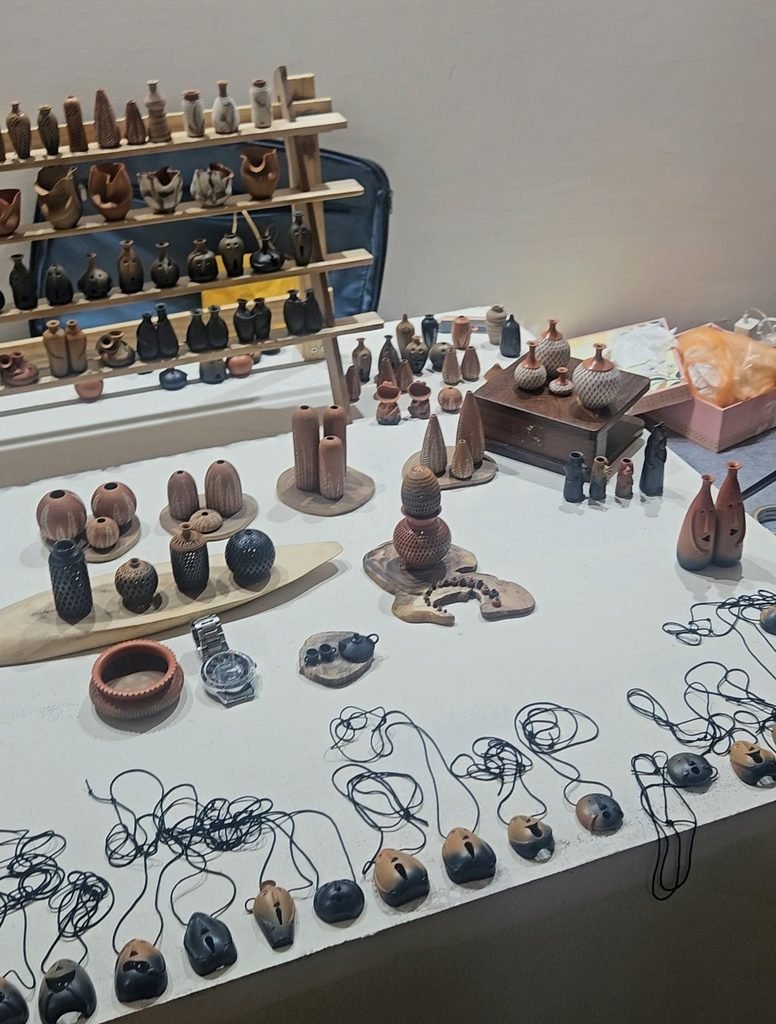
Every craft carried a distinctive visual vocabulary. Beads, fibres, clay, paper, wood, lacquer, textiles and natural materials became mediums through which communities expressed identity and memory.
The diversity was striking, yet the underlying human experience was familiar: the patience of the maker, the transmission of knowledge from one generation to another, and the desire to preserve something meaningful for the future.
From Museum Display to Living Experience
A conventional museum often asks visitors to look closely at objects. The BRICS Craft initiative went a step further by allowing visitors to understand how those objects came into existence.
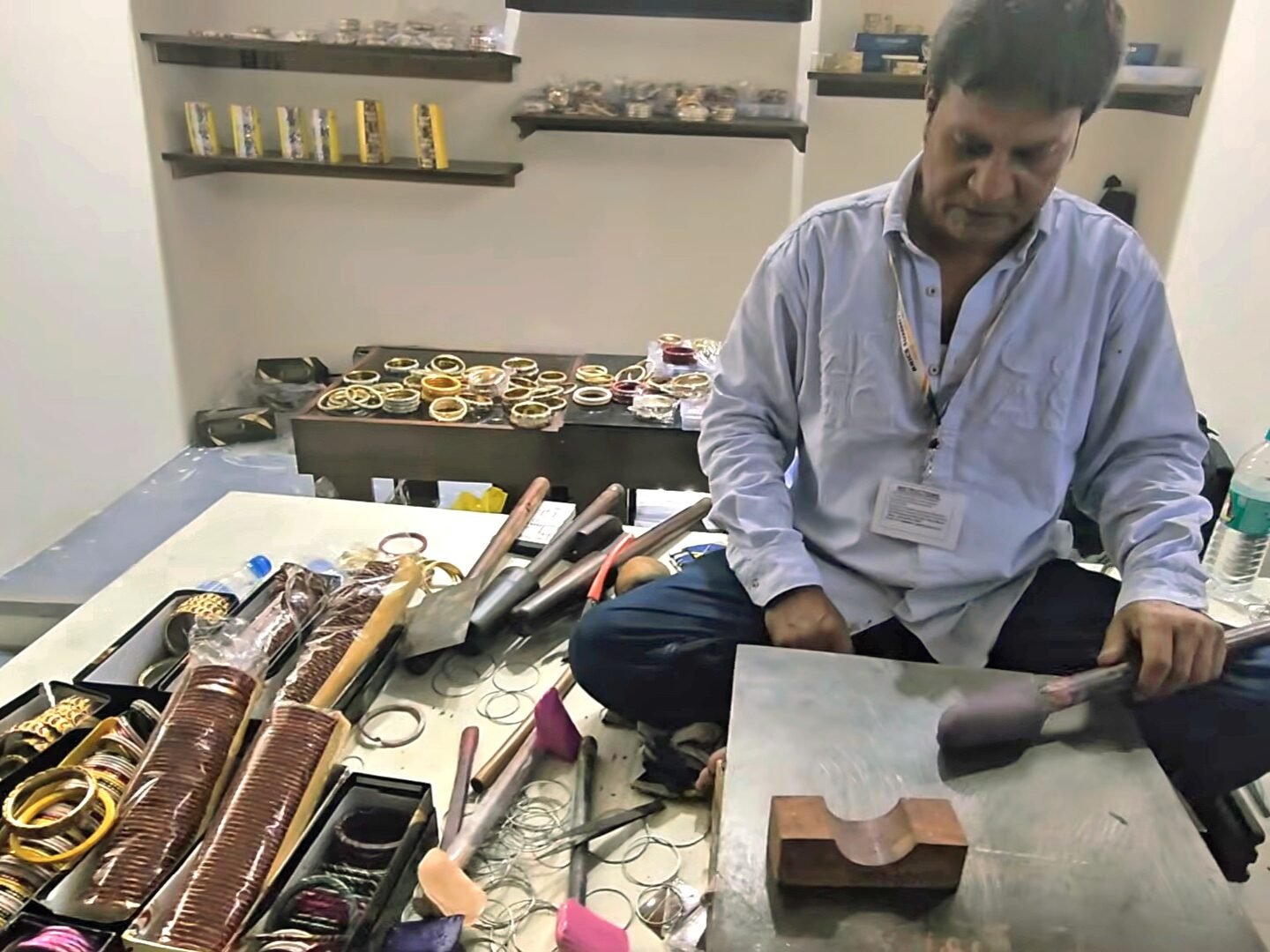
Live demonstrations became an important part of the experience. Visitors could observe traditional techniques such as block printing from Madhya Pradesh, lac bangles from Rajasthan, papier-mâché from Kashmir and terracotta from Rajasthan. In selected experiences, visitors could also participate in creative processes themselves.
This interaction changed the relationship between the visitor and the craft.
A finished object represents the result, but watching an artisan work reveals the journeythe movement of the hand, the repetition of a technique, the knowledge of materials and the time required to transform a simple raw material into something meaningful.
In this sense, the artisan was not simply a producer. The artisan became a storyteller, teacher and cultural ambassador.
The BRICS Bazaar therefore extended a continuing dialogue between India’s craft heritage and the wider international community.
For India, the occasion offered an opportunity to place its diverse craft traditions within a global cultural conversation. For international participants, it created a platform to share their own heritage and meet audiences beyond their home countries.
Stories Behind the Objects
One of the strengths of the showcase was its emphasis on the story behind the craft.
Digital technology was integrated into the physical exhibition through QR codes placed at stalls. Visitors could access information about participating artisans, their crafts and their contact details. This created a bridge between traditional craftsmanship and contemporary communication.
Such an approach is particularly significant for younger audiences.
Today’s students and visitors increasingly experience culture through digital media. By combining physical craft objects with digital storytelling, the exhibition demonstrated that tradition and technology need not exist in opposition. Technology can instead become a tool for documenting, communicating and sustaining traditional knowledge.
Visual Narratives of Unity
The thematic installations gave the Bazaar another layer of meaning.
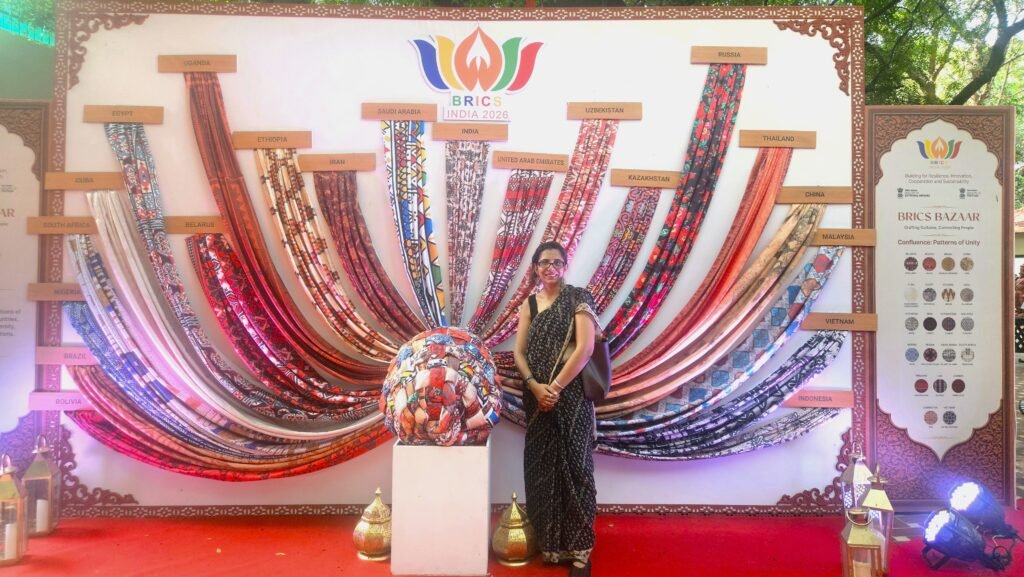
Among them was “Confluence: Patterns of Unity,” which interpreted cultural diversity and shared connections through visual language.
Another installation, “Co-existence: Tree of Life,” drew upon the widely shared Tree of Life motif found across cultures. The installation used the idea of interconnectedness to reflect relationships between communities, cultures and the natural world.
These installations demonstrated how design can translate an abstract idea such as cooperation into a visual experience.
Patterns, forms, symbols and spatial arrangements became a language through which visitors could experience the idea of cultural connection.
The Artisan at the Centre
Perhaps the most important message of the BRICS Craft showcase was the recognition of the artisan.
Behind every handmade object is a person who possesses specialised knowledge. Many traditional techniques require years of learning and practice. When such crafts are displayed only as commodities, the skill and cultural history behind them can easily disappear from public attention.
The Bazaar attempted to reverse this process by placing artisans, their stories and their techniques at the centre of the visitor experience.
This also connects craft with the creative economy. Craft traditions are not only cultural assets; they can support livelihoods, entrepreneurship, design innovation and community development.
India’s BRICS cultural agenda in 2026 has also emphasised areas such as creative industries, heritage protection, technology and sustainable development, demonstrating the increasingly important relationship between culture and contemporary economic and social life.
Beyond Borders, Through the Hands
The BRICS Craft Museum experience reminds us that cultural diplomacy does not happen only in conference rooms.
It can happen around a worktable.
It can happen when an artisan demonstrates a centuries-old technique to a visitor from another country. It can happen when two different patterns reveal a shared human instinct to decorate, preserve and tell stories. It can happen when a young student discovers that a handmade object is not simply a product, but the outcome of knowledge accumulated across generations.
Craft creates a quieter form of dialogue—one based on curiosity, observation and participation.
The BRICS Bazaar demonstrated this beautifully. Different countries arrived with different histories, materials, techniques and aesthetic traditions, yet they met through a universal act: the human act of making.
A Museum of Living Heritage
The significance of the BRICS Craft showcase lies not only in the objects that were displayed, but in the conversations they created.
A craft object carries the memory of its maker. A museum gives that object a space. An exhibition gives it an audience. But cultural exchange gives it a new life.
The BRICS Craft initiative brought these elements together—heritage, artisanship, design, technology, public participation and international cultural exchange.
Its central message can be expressed simply:
Cultures may speak different languages, but the language of making is universal.